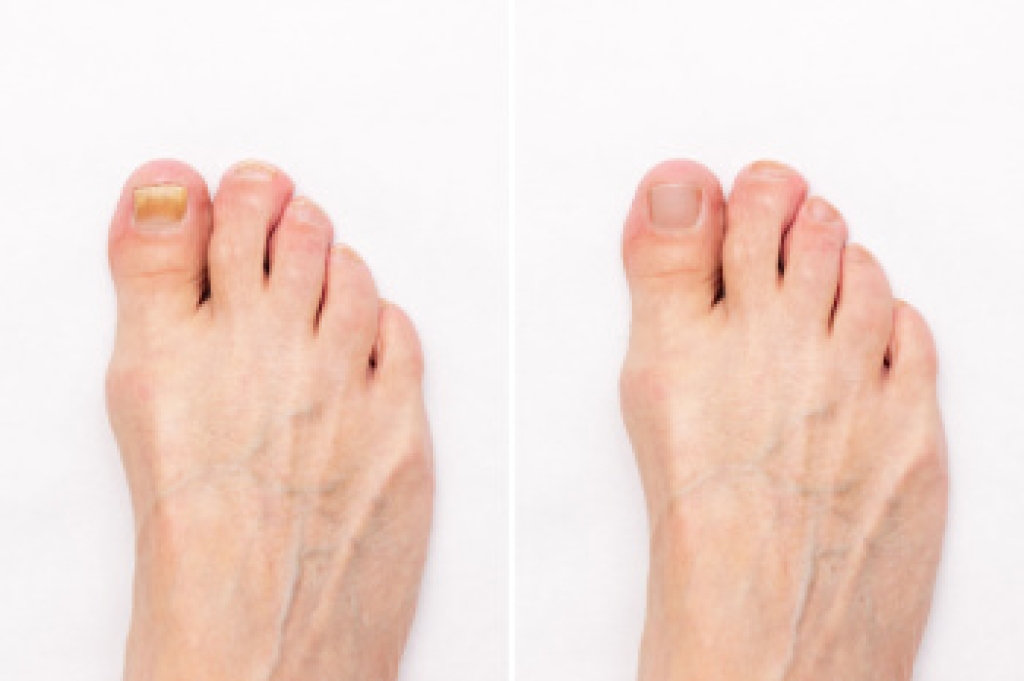
How to Recognize the Early Signs of Toenail Fungus

Toenail fungus is a common infection that develops when fungi grow in or beneath the toenail. It often begins when these organisms enter through tiny cracks in the nail or nearby skin. The infection can develop slowly and may affect one or several toenails. Warm, damp environments provide ideal conditions for fungal growth. Shared showers, locker rooms, and swimming pool areas can expose bare feet to fungi. Recognizing early changes can help you seek podiatric care before the infection worsens.

Several factors can increase the risk of developing toenail fungus. For instance, wearing sweaty shoes for long periods of time creates moisture that allows fungi to thrive. Tight footwear can also damage toenails, making it easier for infection to begin. Older adults may be more vulnerable because nail growth slows with age. Athlete’s foot is another common concern because the fungus can spread from the surrounding skin to the toenails. Keeping feet clean and dry can help lower the risk.


Toenail fungus often changes the nail’s appearance. An affected nail may turn yellow, white, or brown. It can become thick, brittle, or crumbly around the edges. Some nails develop an unusual shape or begin separating from the nail bed. You may notice an unpleasant odor or discomfort when wearing shoes. Injury and other nail conditions can cause similar changes. A podiatrist can examine the nail and collect a sample when needed to confirm the diagnosis before recommending treatment.


Treatment depends on the severity of the infection and your overall health. A podiatrist may carefully trim or thin the affected nail to improve comfort. Prescription topical medication may help treat milder infections, while oral medication may be appropriate for certain cases. Results take time because healthy toenails grow slowly. To reduce reinfection, change socks regularly, dry your feet thoroughly, and wear shower shoes in shared wet areas. If you notice signs of toenail fungus, it is suggested that you consult a podiatrist for an accurate diagnosis and appropriate treatment.

For more information about treatment, contact Kristopher Jerry, DPM of Podiatry Health Services . Our doctor can provide the care you need to keep you pain-free and on your feet.

Toenail Fungus Treatment

Toenail fungus is a condition that affects many people and can be especially hard to get rid of. Fortunately, there are several methods to go about treating and avoiding it.

Antifungals & Deterrence

Oral antifungal medicine has been shown to be effective in many cases. It is important to consult with a podiatrist to determine the proper regiment for you, or potentially explore other options.

Applying foot powder on the feet and shoes helps keep the feet free of moisture and sweat.

Sandals or open toed shoes – Wearing these will allow air movement and help keep feet dry. They also expose your feet to light, which fungus cannot tolerate. Socks with moisture wicking material also help as well.

If you have any questions please contact our offices located in Port St Lucie, and Hollywood, FL . We offer the newest diagnostic and treatment technologies for all your foot and ankle needs.
Read more about How to Treat Your Toenail Fungus

How a Podiatrist Diagnoses Peripheral Artery Disease

Changes in the feet sometimes provide the first clues to peripheral artery disease, or PAD. This condition develops when narrowed arteries restrict blood flow to the legs and feet. A podiatrist begins the evaluation by asking about symptoms and reviewing medical history. Questions focus on leg pain while walking, foot discomfort at rest, and wounds that heal slowly. The podiatrist also reviews risk factors like smoking, diabetes, and high cholesterol. Some patients have few noticeable symptoms, making a careful examination especially valuable. Finding circulation problems early helps guide treatment before reduced blood flow causes potentially serious tissue damage.

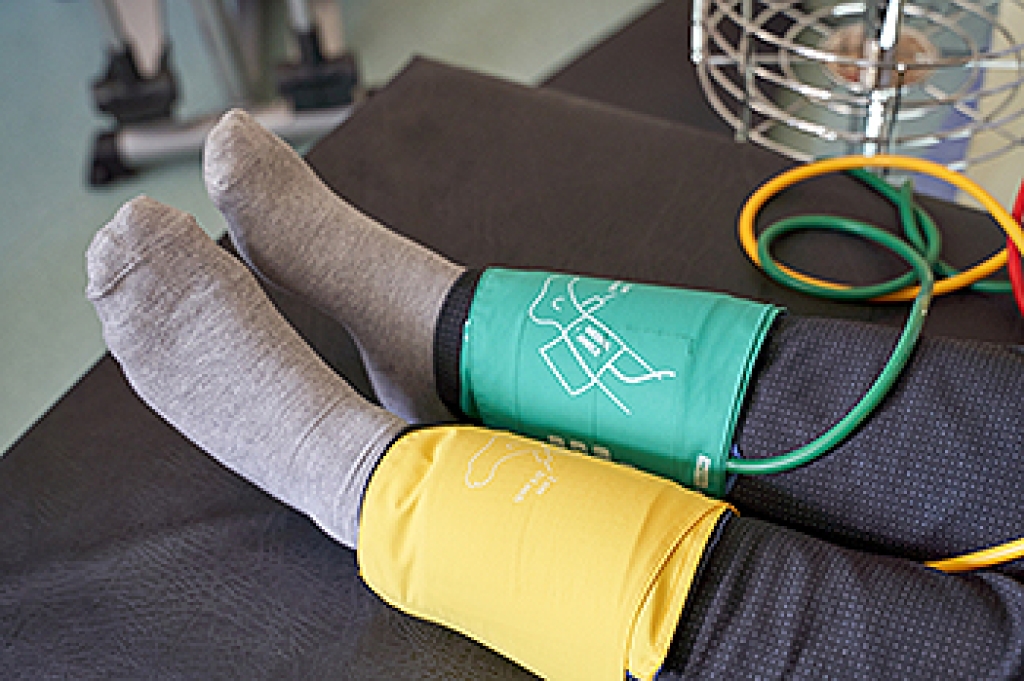
During the examination, the podiatrist checks pulses in the feet and ankles. Skin temperature, color changes, and slow-healing sores provide additional clues. However, these findings alone do not confirm PAD. The next step frequently involves an ankle-brachial index, or ABI, which compares blood pressure at the ankle with blood pressure in the arm. Blood pressure cuffs and a handheld ultrasound device measure both pressures. A lower ankle pressure suggests reduced circulation. An ABI of 0.90 or below supports a PAD diagnosis. The podiatrist performs this test or arranges testing at a vascular laboratory, then reviews the results alongside the examination findings.

Additional testing helps when the initial results do not explain the symptoms. Diabetes and kidney disease sometimes cause stiff arteries that make ankle pressure readings misleadingly high. In these cases, a toe-brachial index compares blood pressure in the toe with pressure in the arm. Testing after treadmill walking also helps identify circulation problems that resting measurements miss. A more detailed ultrasound examines blood flow and locates narrowed arteries. If you have symptoms of peripheral artery disease that affects the feet, it is suggested that you schedule an appointment with a podiatrist for effective relief and management solutions.

Peripheral artery disease can pose a serious risk to your health. It can increase the risk of stroke and heart attack. If you have symptoms of peripheral artery disease, consult with Kristopher Jerry, DPM  from Podiatry Health Services . Our doctor will assess your condition and provide you with quality foot and ankle treatment.

Peripheral artery disease (PAD) is when arteries are constricted due to plaque (fatty deposits) build-up. This results in less blood flow to the legs and other extremities. The main cause of PAD is atherosclerosis, in which plaque builds up in the arteries.

Symptoms

Symptoms of PAD include:

  • Claudication (leg pain from walking)
  • Numbness in legs
  • Decrease in growth of leg hair and toenails
  • Paleness of the skin
  • Erectile dysfunction
  • Sores and wounds on legs and feet that won’t heal
  • Coldness in one leg

It is important to note that a majority of individuals never show any symptoms of PAD.

Diagnosis

While PAD occurs in the legs and arteries, Podiatrists can diagnose PAD. Podiatrists utilize a test called an ankle-brachial index (ABI). An ABI test compares blood pressure in your arm to you ankle to see if any abnormality occurs. Ultrasound and imaging devices may also be used.

Treatment

Fortunately, lifestyle changes such as maintaining a healthy diet, exercising, managing cholesterol and blood sugar levels, and quitting smoking, can all treat PAD. Medications that prevent clots from occurring can be prescribed. Finally, in some cases, surgery may be recommended.

If you have any questions, please feel free to contact our offices located in Port St Lucie, and Hollywood, FL . We offer the newest diagnostic and treatment technologies for all your foot care needs.

Read more about Peripheral Artery Disease

We Can Treat Your Foot or Ankle Pain

Foot or ankle pain can negatively affect your day-to-day life and can occur due to several different conditions. Pain can also be an indicator of a more serious underlying condition, which is why you should seek professional help as soon as you notice any abnormalities in your feet.

How a Podiatrist Diagnoses and Treats Broken Toes

A broken toe can result from stubbing the foot, dropping a heavy object on it, or taking a forceful step during sports. A big-toe fracture can be especially serious. The big toe helps the body balance and push forward while walking. Symptoms include pain, swelling, and bruising. The toe may also look crooked or feel too tender to touch. Some fractures extend into a joint or cause bone pieces to move out of position. A cut near the injury can signal an open fracture. This means the broken bone is exposed through a wound. Examination is important because a sprain, bone bruise, and fracture can cause similar symptoms.

A podiatrist can assess the injured toe. X-rays can confirm a fracture and show its location, pattern, and severity. Other imaging tests can provide more detail when nearby tissue damage is suspected. Treatment depends on which toe is broken and whether the bone remains aligned. A podiatrist can reposition a displaced bone so it heals correctly. This foot doctor can also protect the toe with taping, a splint, or a stiff-soled medical shoe. These measures limit painful movement and reduce pressure on the injured toe. Follow-up X-rays can track healing before the patient returns to demanding activities. Many broken toes heal within several weeks, although recovery varies with the injury.

Severe fractures sometimes need surgery. This can be necessary when a break enters a joint, bone pieces are widely separated, or the toe remains unstable. Pins, screws, or plates can hold the bone in place while it heals. Early treatment can lower the risk of lasting stiffness, deformity, and pain. Urgent evaluation is important when the toe looks misshapen, the skin is broken, or numbness develops. People with diabetes or poor circulation should seek immediate care because healing problems can be more serious. If you have broken your toe, it is suggested that you schedule an appointment with a podiatrist for effective relief and treatment. 

A broken toe can be very painful and lead to complications if not properly fixed. If you have any concerns about your feet, contact Kristopher Jerry, DPM from Podiatry Health Services . Our doctor will treat your foot and ankle needs.

What to Know About a Broken Toe

Although most people try to avoid foot trauma such as banging, stubbing, or dropping heavy objects on their feet, the unfortunate fact is that it is a common occurrence. Given the fact that toes are positioned in front of the feet, they typically sustain the brunt of such trauma. When trauma occurs to a toe, the result can be a painful break (fracture).

Symptoms of a Broken Toe

  • Throbbing pain
  • Swelling
  • Bruising on the skin and toenail
  • The inability to move the toe
  • Toe appears crooked or disfigured
  • Tingling or numbness in the toe

Generally, it is best to stay off of the injured toe with the affected foot elevated.

Severe toe fractures may be treated with a splint, cast, and in some cases, minor surgery. Due to its position and the pressure it endures with daily activity, future complications can occur if the big toe is not properly treated.

If you have any questions, please feel free to contact our offices located in Port St Lucie, and Hollywood, FL . We offer the newest diagnostic and treatment technologies for all your foot care needs.

Read more about What to Know About a Broken Toe

How Peripheral Neuropathy Affects the Feet

Peripheral neuropathy occurs when nerves outside the brain and spinal cord become damaged. In the feet, it can change how a person feels touch, pain, and temperature. Symptoms include numbness, tingling, and burning pain. Some patients also notice unusual sensitivity or a feeling that they are walking on a pebble or bunched-up sock. Weak foot muscles can affect balance and increase the risk of falling. Because numbness can hide a cut or blister, a small injury may worsen before the patient notices it.

Diabetes is a leading cause of peripheral neuropathy, especially when blood sugar is not well controlled. Other causes include vitamin deficiencies, nerve pressure, and certain illnesses. Injury and heavy alcohol use can also damage nerves. A podiatrist can review the patient's health history and perform a careful foot examination. Testing can check sensation, muscle strength, and reflexes. The podiatrist can also examine circulation and check for skin damage. Further testing may be needed to identify why the nerves are not working properly. This helps guide care and protect the feet from injury.

Podiatric care focuses on protecting the feet, improving stability, and preventing serious problems. A podiatrist can treat corns, calluses, or wounds that place the skin at risk. Regular nail and skin care can reduce the chance of injury, especially when patients cannot feel their feet clearly. Custom orthotics can improve pressure distribution and make the feet more stable while walking. The podiatrist can also recommend properly-fitted shoes with enough depth and cushioning. When a wound is present, care includes pressure relief, infection control, and close monitoring. Severe infections can threaten the health of the foot, and, in advanced cases, may lead to limb loss. Routine examinations allow the podiatrist to track changes in sensation and spot problems before they become more serious. If you have symptoms of peripheral neuropathy, it is suggested that you schedule an appointment with a podiatrist for effective relief and management tips. 

Neuropathy

Neuropathy can be a potentially serious condition, especially if it is left undiagnosed. If you have any concerns that you may be experiencing nerve loss in your feet, consult with Kristopher Jerry, DPM  from Podiatry Health Services . Our doctor will assess your condition and provide you with quality foot and ankle treatment for neuropathy.

What Is Neuropathy?

Neuropathy is a condition that leads to damage to the nerves in the body. Peripheral neuropathy, or neuropathy that affects your peripheral nervous system, usually occurs in the feet. Neuropathy can be triggered by a number of different causes. Such causes include diabetes, infections, cancers, disorders, and toxic substances.

Symptoms of Neuropathy Include:

  • Numbness
  • Sensation loss
  • Prickling and tingling sensations
  • Throbbing, freezing, burning pains
  • Muscle weakness

Those with diabetes are at serious risk due to being unable to feel an ulcer on their feet. Diabetics usually also suffer from poor blood circulation. This can lead to the wound not healing, infections occurring, and the limb may have to be amputated.

Treatment

To treat neuropathy in the foot, podiatrists will first diagnose the cause of the neuropathy. Figuring out the underlying cause of the neuropathy will allow the podiatrist to prescribe the best treatment, whether it be caused by diabetes, toxic substance exposure, infection, etc. If the nerve has not died, then it’s possible that sensation may be able to return to the foot.

Pain medication may be issued for pain. Electrical nerve stimulation can be used to stimulate nerves. If the neuropathy is caused from pressure on the nerves, then surgery may be necessary.

If you have any questions, please feel free to contact our offices located in Port St Lucie, and Hollywood, FL . We offer the newest diagnostic and treatment technologies for all your foot care needs.

Read more about Neuropathy
Advanced Podiatric Procedures & Services in the areas