
Have you noticed a bony protrusion on the side of your big toe? If so, you may have developed the foot condition known as a bunion. Don't let bunions interfere with your daily activities.
Have you noticed a bony protrusion on the side of your big toe? If so, you may have developed the foot condition known as a bunion. Don't let bunions interfere with your daily activities.

Athlete’s foot is a fungal infection that affects the skin of the feet, especially between the toes. It often causes flaking skin, itching, cracking, and redness that can become uncomfortable, if left untreated. The condition develops in warm and moist environments, making shared areas around pools and locker rooms a common source of exposure. Prevention includes keeping feet clean and dry, and wearing appropriate shoes in pool areas to reduce contact with fungi. Prescribed medication can effectively clear the infection and prevent it from spreading or returning. A podiatrist can diagnose athlete’s foot, recommend the right treatment, and provide guidance on proper foot hygiene. If you have symptoms of athlete’s foot, it is suggested that you consult a podiatrist who can effectively treat this condition, which may include prescribed medication.
Athlete’s Foot
Athlete’s foot is often an uncomfortable condition to experience. Thankfully, podiatrists specialize in treating athlete’s foot and offer the best treatment options. If you have any questions about athlete’s foot, consult with Kristopher Jerry, DPM from Podiatry Health Services . Our doctor will assess your condition and provide you with quality treatment.
What Is Athlete’s Foot?
Tinea pedis, more commonly known as athlete’s foot, is a non-serious and common fungal infection of the foot. Athlete’s foot is contagious and can be contracted by touching someone who has it or infected surfaces. The most common places contaminated by it are public showers, locker rooms, and swimming pools. Once contracted, it grows on feet that are left inside moist, dark, and warm shoes and socks.
Prevention
The most effective ways to prevent athlete’s foot include:
Symptoms
Athlete’s foot initially occurs as a rash between the toes. However, if left undiagnosed, it can spread to the sides and bottom of the feet, toenails, and if touched by hand, the hands themselves. Symptoms include:
Diagnosis and Treatment
Diagnosis is quick and easy. Skin samples will be taken and either viewed under a microscope or sent to a lab for testing. Sometimes, a podiatrist can diagnose it based on simply looking at it. Once confirmed, treatment options include oral and topical antifungal medications.
If you have any questions, please feel free to contact our offices located in Port St Lucie, and Hollywood, FL . We offer the newest diagnostic and treatment technologies for all your foot care needs.
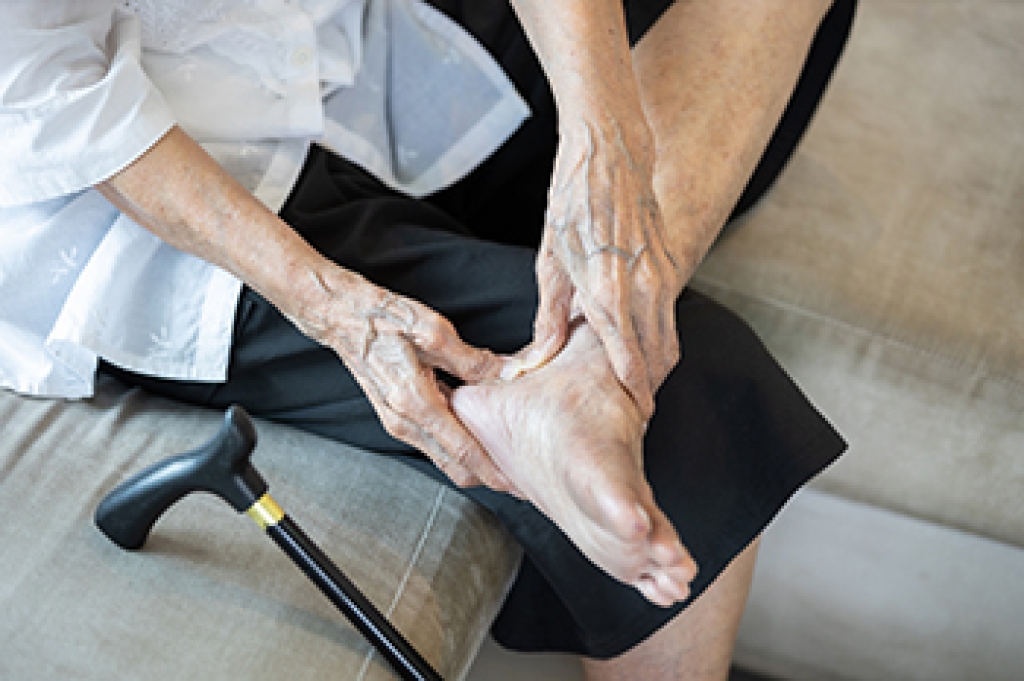
Foot pain in older adults can be more than a simple sign of aging and may point to deeper health concerns. Ongoing discomfort can affect balance and increase the risk of falls, which may lead to serious injury. For instance, stress fractures in the feet involve small cracks in the bones that develop with age and cause pain with activity. Nerve damage, known as neuropathy, may lead to burning, tingling, or numbness and is often linked to serious underlying medical issues. Gout and other types of arthritis can cause pain, swelling, and stiffness in the feet and toes. In some cases, sudden pain and swelling may signal a blood clot, which requires urgent medical attention. A podiatrist can evaluate these symptoms, order X-rays or other imaging, assess circulation and nerve function, and address both foot pain and related conditions. If you are a senior experiencing foot pain, it is suggested that you make an appointment with a podiatrist for an exam, diagnosis, and treatment.
If you need your feet checked, contact Kristopher Jerry, DPM of Podiatry Health Services . Our doctor will attend to all of your foot and ankle needs and provide you with quality treatment.
Geriatrics and Podiatry
When people age, some common issues that may occur are bone density loss, dry skin, poor circulation, and rough brittle nails. These issues may also affect your foot health if the necessary steps are not taken to alleviate the problems.
It is important to take care of your feet because feet that are injured or diseased can affect your overall health. Having painful feet hinders your ability to do daily activities or may decrease your willingness to do the things that you need to do.
Visiting Your Geriatrician
As we age, health problems become more likely, so it is essential to visit your doctor for check-ups to ensure that you are doing the best you can to take care of your health. It is recommended to check your feet frequently for any possible cuts, bruises, swelling, corns or any other irregularities.
Taking Care of Elderly Feet
Cracked or dry feet can be treated by applying moisturizer often. It is also important not to wear old socks because the older the sock is, the higher the possibility there will be that there is bacteria there. Wear fresh socks and make sure they fit properly.
Proper foot health means that you can have a more active lifestyle and you will not be bogged down by pain. Foot health also leads to good circulation, which is paramount for overall health.
If you have any questions, please feel free to contact our offices located in Port St Lucie, and Hollywood, FL . We offer the newest diagnostic and treatment technologies for all your foot care needs.
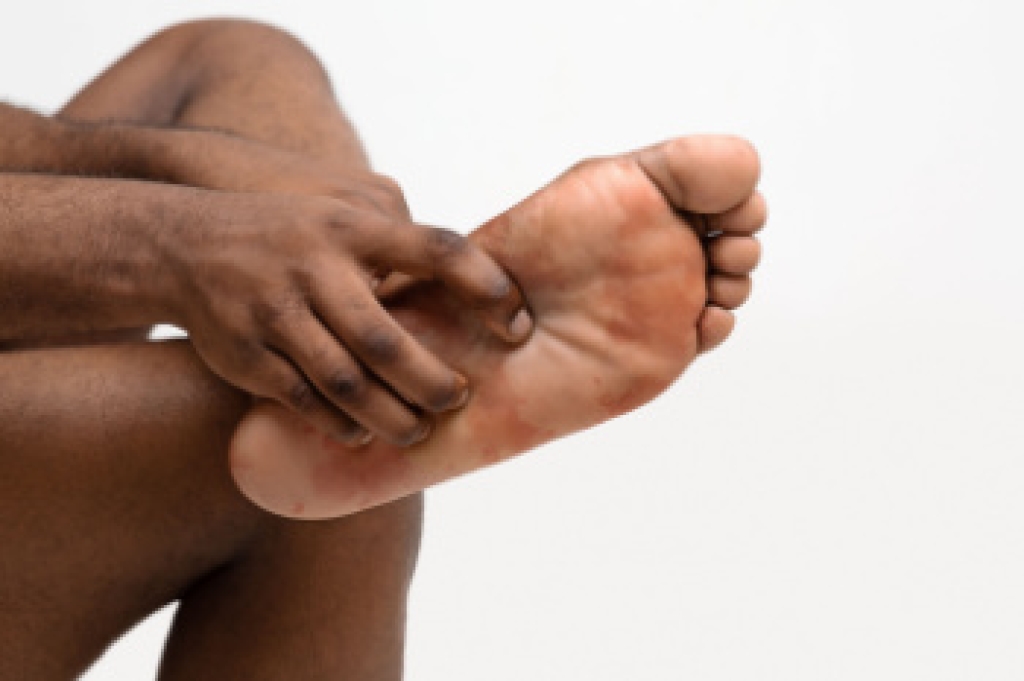
Plantar fasciitis develops when the thick tissue along the bottom of the foot becomes irritated, leading to heel pain and stiffness. Treatment of plantar fasciitis is aimed at reducing strain on this tissue and restoring normal foot function. A podiatrist can examine foot structure and movement to identify such causes as tight calf muscles or poor alignment. Custom orthotics, which are medical-grade shoe inserts, may be prescribed by a podiatrist to support the arch and reduce pressure on the heel. Anti-inflammatory medication can help decrease swelling and discomfort. In more persistent cases, certain injections may be used to calm inflammation. Immobilization with a walking boot can give the tissue time to heal by limiting stress on the foot. Imaging tests may be ordered to confirm the diagnosis and rule out other conditions. Early care can improve mobility and prevent chronic pain. If you are experiencing heel pain from plantar fasciitis, it is suggested that you make an appointment with a podiatrist for treatment.
Plantar fasciitis can be very painful and inconvenient. If you are experiencing heel pain or symptoms of plantar fasciitis, contact Kristopher Jerry, DPM from Podiatry Health Services . Our doctor can provide the care you need to keep you pain-free and on your feet.
What Is Plantar Fasciitis?
Plantar fasciitis is the inflammation of the thick band of tissue that runs along the bottom of your foot, known as the plantar fascia, and causes mild to severe heel pain.
What Causes Plantar Fasciitis?
How Can It Be Treated?
While very treatable, plantar fasciitis is definitely not something that should be ignored. Especially in severe cases, speaking to your doctor right away is highly recommended to avoid complications and severe heel pain. Your podiatrist can work with you to provide the appropriate treatment options tailored to your condition.
If you have any questions, please feel free to contact our offices located in Port St Lucie, and Hollywood, FL . We offer the newest diagnostic and treatment technologies for all your foot care needs.
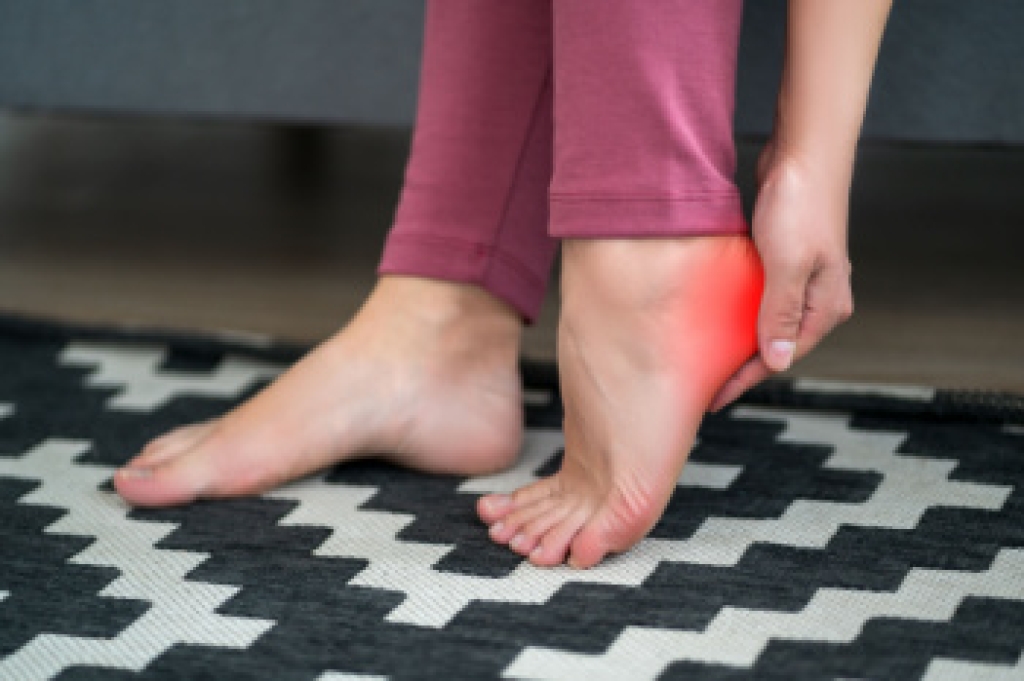
Heel bone spurs are growths that form on the underside or back of the heel, often developing gradually due to repeated strain on the foot. They are commonly associated with plantar fasciitis, where ongoing tension on the plantar fascia leads to calcium deposits building up over time. Many people do not notice the spur itself, but instead feel sharp or aching pain in the heel, especially with the first steps in the morning or after rest. Contributing causes include long periods of standing, improper footwear, flat feet or high arches, and tight calf muscles that increase stress on the heel. The area may feel tender and sore, though the spur is not always visible externally. A podiatrist can diagnose heel spurs through examination and X-rays. Treatment focuses on reducing strain with supportive shoes, custom orthotics, and targeted exercises. If you have heel pain related to bone spurs, it is suggested that you make an appointment with a podiatrist.
Heel spurs can be incredibly painful and sometimes may make you unable to participate in physical activities. To get medical care for your heel spurs, contact Kristopher Jerry, DPM from Podiatry Health Services . Our doctor will do everything possible to treat your condition.
Heels Spurs
Heel spurs are formed by calcium deposits on the back of the foot where the heel is. This can also be caused by small fragments of bone breaking off one section of the foot, attaching onto the back of the foot. Heel spurs can also be bone growth on the back of the foot and may grow in the direction of the arch of the foot.
Older individuals usually suffer from heel spurs and pain sometimes intensifies with age. One of the main condition's spurs are related to is plantar fasciitis.
Pain
The pain associated with spurs is often because of weight placed on the feet. When someone is walking, their entire weight is concentrated on the feet. Bone spurs then have the tendency to affect other bones and tissues around the foot. As the pain continues, the feet will become tender and sensitive over time.
Treatments
There are many ways to treat heel spurs. If one is suffering from heel spurs in conjunction with pain, there are several methods for healing. Medication, surgery, and herbal care are some options.
If you have any questions, please feel free to contact our offices located in Port St Lucie, and Hollywood, FL . We offer the newest diagnostic and treatment technologies for all your foot care needs.
