Ingrown Toenail Surgery

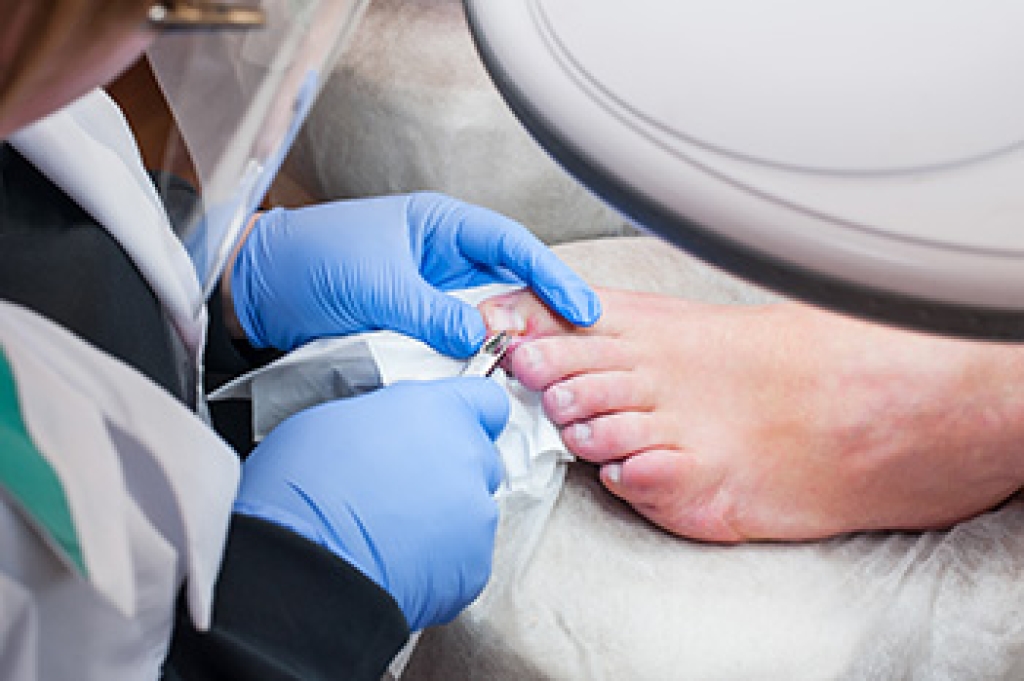
Ingrown toenail surgery is performed to relieve pain and infection caused when the edge of a toenail grows into the surrounding skin. Ingrown toenails often leads to redness, swelling, and tenderness near the tip of the toe. Surgery may be recommended when conservative care does not provide lasting relief. One common procedure is a wedge resection, in which a small portion of the nail and surrounding tissue is carefully removed to reduce pressure on the skin. Toenail removal may involve partial or complete nail removal to treat severe cases. Additionally, matrixectomy is a technique that treats the nail growth center to prevent the problematic portion from returning. A podiatrist can evaluate the condition and provide safe, effective treatment to restore comfort and healthy nail growth. If you have an ingrown toenail that is painful and interfering with daily activities, it is suggested that you consult a podiatrist who can discuss whether you are a candidate for this type of foot surgery.

Foot surgery is sometimes necessary to treat a foot ailment. To learn more, contact Kristopher Jerry, DPM of Podiatry Health Services . Our doctor will assist you with all of your foot and ankle needs.

When Is Surgery Necessary?

Foot and ankle surgery is generally reserved for cases in which less invasive, conservative procedures have failed to alleviate the problem. Some of the cases in which surgery may be necessary include:

  • Removing foot deformities like bunions and bone spurs
  • Severe arthritis that has caused bone issues
  • Cosmetic reconstruction

What Types of Surgery Are There?

The type of surgery you receive will depend on the nature of the problem you have. Some of the possible surgeries include:

  • Bunionectomy for painful bunions
  • Surgical fusion for realignment of bones
  • Neuropathy decompression surgery to treat nerve damage

Benefits of Surgery

Although surgery is usually a last resort, it can provide more complete pain relief compared to non-surgical methods and may allow you to finally resume full activity.

Surgical techniques have also become increasingly sophisticated. Techniques like endoscopic surgery allow for smaller incisions and faster recovery times.

If you have any questions, please feel free to contact our offices located in Port St Lucie, and Hollywood, FL . We offer the newest diagnostic and treatment technologies for all your foot care needs.


Read more about Foot Surgery

Gout Pain Can Be Managed

Gout is a painful, inflammatory form of arthritis. Those affected will typically feel an intense stiffness in the joints of their feet, particularly in the big toe. Schedule a visit to learn about how gout can be managed and treated.

The Bump Behind the Heel Called Haglund’s Deformity

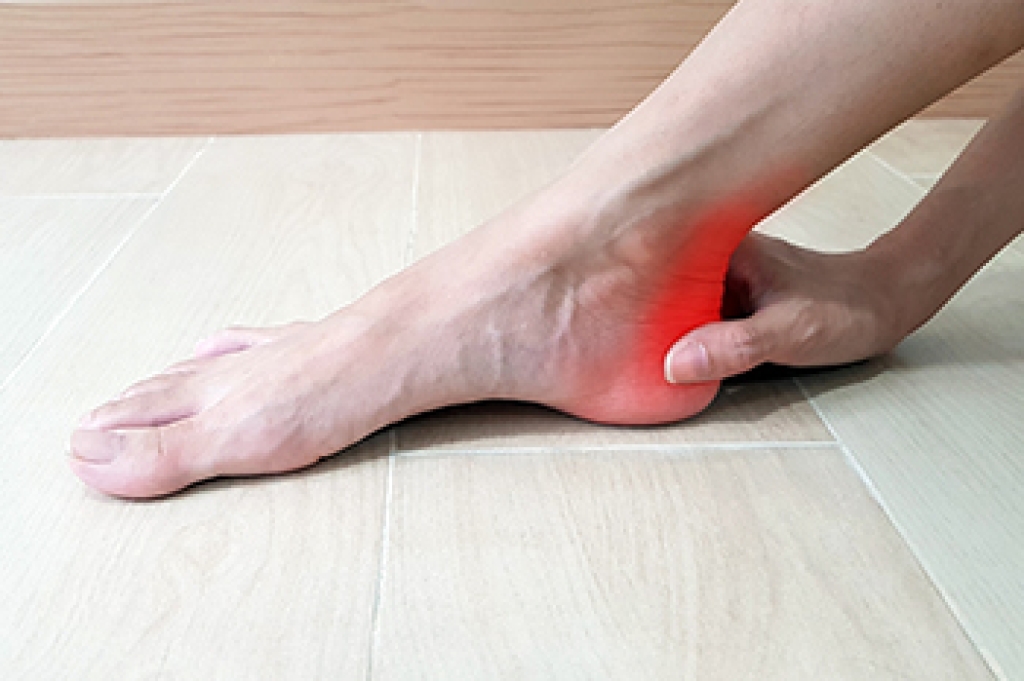
Haglund’s deformity is a bony enlargement on the back of the heel where the Achilles tendon attaches. This bump can become irritated when it rubs against stiff shoes, especially those with rigid backs such as dress shoes, pumps, or skates. People often notice redness, swelling, or a tender bump on the back of the heel. The area may feel sore when walking, wearing certain shoes, or after activity. Some patients also develop inflammation of the nearby bursa, which adds to the discomfort and swelling. Causes include foot structure, tight Achilles tendons, and repeated friction from footwear. A podiatrist can diagnose Haglund’s deformity by examining the heel and reviewing symptoms, sometimes confirming the condition with X-rays. Treatment may begin with shoe changes, heel lifts, protective padding, and targeted exercises to reduce tension on the tendon. In some cases, custom orthotics, anti-inflammatory care, or minor procedures may be recommended. If you think you have Haglund’s deformity, it is suggested that you make an appointment with a podiatrist.

Many people suffer from bouts of heel pain. For more information, contact Kristopher Jerry, DPM of Podiatry Health Services . Our doctor can provide the care you need to keep you pain-free and on your feet.

Causes of Heel Pain

Heel pain is often associated with plantar fasciitis. The plantar fascia is a band of tissues that extends along the bottom of the foot. A rip or tear in this ligament can cause inflammation of the tissue.

Achilles tendonitis is another cause of heel pain. Inflammation of the Achilles tendon will cause pain from fractures and muscle tearing. Lack of flexibility is also another symptom.

Heel spurs are another cause of pain. When the tissues of the plantar fascia undergo a great deal of stress, it can lead to ligament separation from the heel bone, causing heel spurs.

Why Might Heel Pain Occur?

  • Wearing ill-fitting shoes                
  • Wearing non-supportive shoes
  • Weight change           
  • Excessive running

Treatments

Heel pain should be treated as soon as possible for immediate results. Keeping your feet in a stress-free environment will help. If you suffer from Achilles tendonitis or plantar fasciitis, applying ice will reduce the swelling. Stretching before an exercise like running will help the muscles. Using all these tips will help make heel pain a condition of the past.

If you have any questions, please feel free to contact our offices located in Port St Lucie, and Hollywood, FL . We offer the newest diagnostic and treatment technologies for all your foot care needs.

Read more about Heel Pain

Treatment Options for Ankle Bursitis

When the small, fluid-filled sacs around the ankle joint become irritated, a painful condition known as ankle bursitis can develop. These sacs, termed bursae, cushion the bones, tendons, and muscles that support the ankle. Bursae normally reduce friction and allow the ankle to move smoothly when walking and performing other daily activities. Symptoms of ankle bursitis include tenderness, warmth, stiffness, or a visible lump near the joint. Pain often worsens with pressure or continued movement. Repetitive stress from sports, long periods of standing, or a direct injury are causes of ankle bursitis. Infection, gout and certain forms of arthritis can increase the risk. Tight or poorly fitting shoes may also place extra pressure on the joint. A podiatrist can perform a thorough examination to confirm the diagnosis and rule out other problems. Treatment options include medication, custom orthotics, supportive footwear guidance, or targeted injections. If you have symptoms of ankle bursitis, it is suggested that you make an appointment with a podiatrist for an exam, diagnosis, and treatment.

Ankle pain can have many different causes and the pain may potentially be serious. If you have ankle pain, consult with Kristopher Jerry, DPM  from Podiatry Health Services . Our doctor will assess your condition and provide you with quality foot and ankle treatment.

Ankle pain is any condition that causes pain in the ankle. Due to the fact that the ankle consists of tendons, muscles, bones, and ligaments, ankle pain can come from a number of different conditions.

Causes

The most common causes of ankle pain include:

  • Types of arthritis (rheumatoid, osteoarthritis, and gout)
  • Ankle sprains
  • Broken ankles
  • Achilles tendinitis
  • Achilles tendon rupture
  • Stress fractures
  • Tarsal tunnel syndrome
  • Plantar fasciitis

Symptoms

Symptoms of ankle injury vary based upon the condition. Pain may include general pain and discomfort, swelling, aching, redness, bruising, burning or stabbing sensations, and/or loss of sensation.

Diagnosis

Due to the wide variety of potential causes of ankle pain, podiatrists will utilize a number of different methods to properly diagnose ankle pain. This can include asking for personal and family medical histories and of any recent injuries. Further diagnosis may include sensation tests, a physical examination, and potentially x-rays or other imaging tests.

Treatment

Just as the range of causes varies widely, so do treatments. Some more common treatments are rest, ice packs, keeping pressure off the foot, orthotics and braces, medication for inflammation and pain, and surgery.

If you have any questions please feel free to contact our offices located in Port St Lucie, and Hollywood, FL . We offer the newest diagnostic tools and technology to treat your foot and ankle needs.

Read more about Ankle Pain

When the Achilles Tendon Becomes Inflamed

Achilles tendonitis is a painful condition that affects the strong band of tissue connecting the calf muscles to the heel bone. It often develops from overuse, sudden increases in activity, tight calf muscles, or wearing unsupportive shoes. The back of the heel may look slightly swollen or thickened, and the area can feel warm or tender to the touch. Many patients describe a dull ache that becomes sharper with walking, running, or climbing stairs, especially after periods of rest. Morning stiffness is common and may improve slightly with gentle movement. A podiatrist begins with a careful examination of the foot and ankle, evaluating flexibility, strength, and walking pattern. Imaging may be used if a tear is suspected. Treatment may include activity modification, wearing supportive footwear, custom orthotics, anti-inflammatory care, and targeted exercises to strengthen and stretch the tendon. If you have heel pain, it is suggested that you schedule an appointment with a podiatrist for a proper diagnosis and appropriate treatment.

Achilles tendon injuries need immediate attention to avoid future complications. If you have any concerns, contact Kristopher Jerry, DPM of Podiatry Health Services . Our doctor can provide the care you need to keep you pain-free and on your feet.

What Is the Achilles Tendon?

The Achilles tendon is a tendon that connects the lower leg muscles and calf to the heel of the foot. It is the strongest tendon in the human body and is essential for making movement possible. Because this tendon is such an integral part of the body, any injuries to it can create immense difficulties and should immediately be presented to a doctor.

What Are the Symptoms of an Achilles Tendon Injury?

There are various types of injuries that can affect the Achilles tendon. The two most common injuries are Achilles tendinitis and ruptures of the tendon.

Achilles Tendinitis Symptoms

  • Inflammation
  • Dull to severe pain
  • Increased blood flow to the tendon
  • Thickening of the tendon

Rupture Symptoms

  • Extreme pain and swelling in the foot
  • Total immobility

Treatment and Prevention

Achilles tendon injuries are diagnosed by a thorough physical evaluation, which can include an MRI. Treatment involves rest, physical therapy, and in some cases, surgery. However, various preventative measures can be taken to avoid these injuries, such as:

  • Thorough stretching of the tendon before and after exercise
  • Strengthening exercises like calf raises, squats, leg curls, leg extensions, leg raises, lunges, and leg presses

If you have any questions please feel free to contact our offices located in Port St Lucie, and Hollywood, FL . We offer the newest diagnostic tools and technology to treat your foot and ankle needs.

Read more about The Causes, Types, and Treatments of Achilles Tendon Injuries
Advanced Podiatric Procedures & Services in the areas