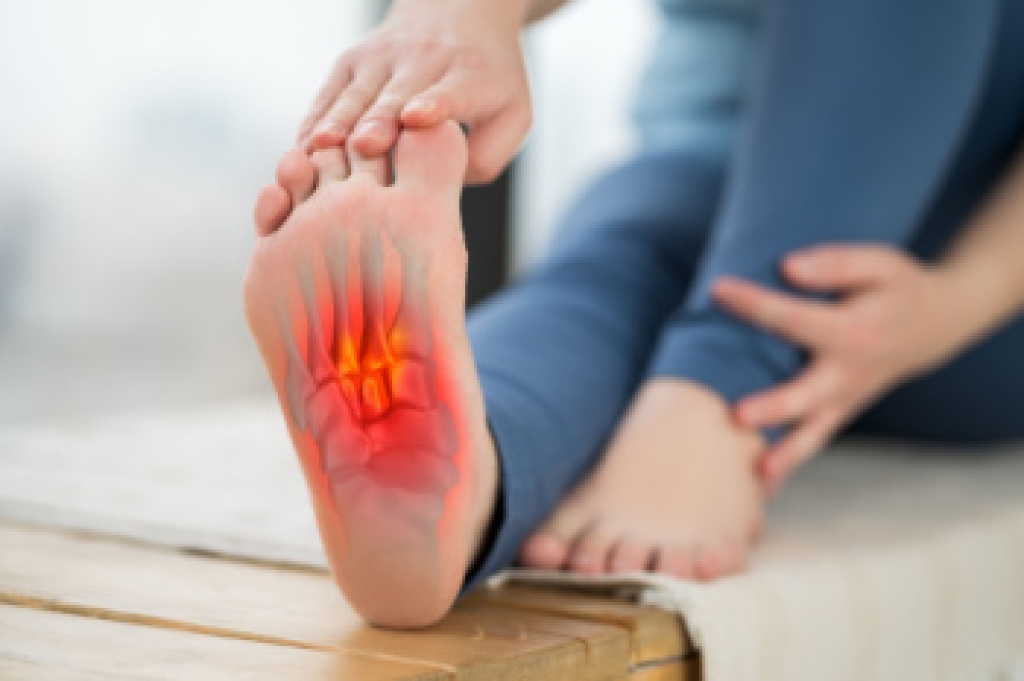
Foot Pressure Sores Can Lead to Serious Complications

Sores on the feet develop when pressure damages the skin and tissue beneath it. They frequently form over bony areas, especially the heels and ankles. People who spend long periods in bed, sit in a wheelchair, or have limited movement face increased risk. Diabetes and poor blood flow raise the risk, because wounds can be harder to notice and heal. Early signs include red or discolored skin, warmth, and tenderness. The area may feel firm or spongy. A sore can later become a blister or open wound, and, in severe cases, extend into deeper tissue.

Pressure is the main cause, but friction and sliding can add to the damage. Moisture can weaken the skin and make it more open to injury. Foot deformities, prominent bones, and shoes that create repeated pressure can lead to sores. Reduced feeling in the feet is concerning, because a patient may not notice pain or skin changes. A pressure sore should receive medical attention. Increasing redness, drainage, or swelling can point to infection. An unpleasant odor is another warning sign. Fever or spreading redness requires urgent care. Without treatment, the wound can deepen and affect muscle or bone.

A podiatrist can examine the pressure sore, measure its depth, and check blood flow and sensation in the foot. The evaluation also identifies the source of pressure and looks for infection. Treatment includes professional wound cleaning, dressings, and monitoring. The podiatrist can provide off-loading devices that shift weight away from the injured area. Orthotics or shoe changes can reduce harmful rubbing and pressure. For deeper sores, the podiatrist can remove damaged tissue to support healing and coordinate care with specialists. Early podiatric care can help limit tissue damage, reduce infection risk, and protect mobility. If you have pressure sores on your feet, it is suggested that you schedule an appointment with a podiatrist for effective relief and management solutions. 

Wound care is an important part in dealing with diabetes. If you have diabetes and a foot wound or would like more information about wound care for diabetics, consult with Kristopher Jerry, DPM from Podiatry Health Services . Our doctor will assess your condition and provide you with quality foot and ankle treatment.

What Is Wound Care?

Wound care is the practice of taking proper care of a wound. This can range from the smallest to the largest of wounds. While everyone can benefit from proper wound care, it is much more important for diabetics. Diabetics often suffer from poor blood circulation which causes wounds to heal much slower than they would in a non-diabetic. 

What Is the Importance of Wound Care?

While it may not seem apparent with small ulcers on the foot, for diabetics, any size ulcer can become infected. Diabetics often also suffer from neuropathy, or nerve loss. This means they might not even feel when they have an ulcer on their foot. If the wound becomes severely infected, amputation may be necessary. Therefore, it is of the upmost importance to properly care for any and all foot wounds.

How to Care for Wounds

The best way to care for foot wounds is to prevent them. For diabetics, this means daily inspections of the feet for any signs of abnormalities or ulcers. It is also recommended to see a podiatrist several times a year for a foot inspection. If you do have an ulcer, run the wound under water to clear dirt from the wound; then apply antibiotic ointment to the wound and cover with a bandage. Bandages should be changed daily and keeping pressure off the wound is smart. It is advised to see a podiatrist, who can keep an eye on it.

If you have any questions please contact our offices located in Port St Lucie, and Hollywood, FL . We offer the newest diagnostic and treatment technologies for all your foot and ankle needs.
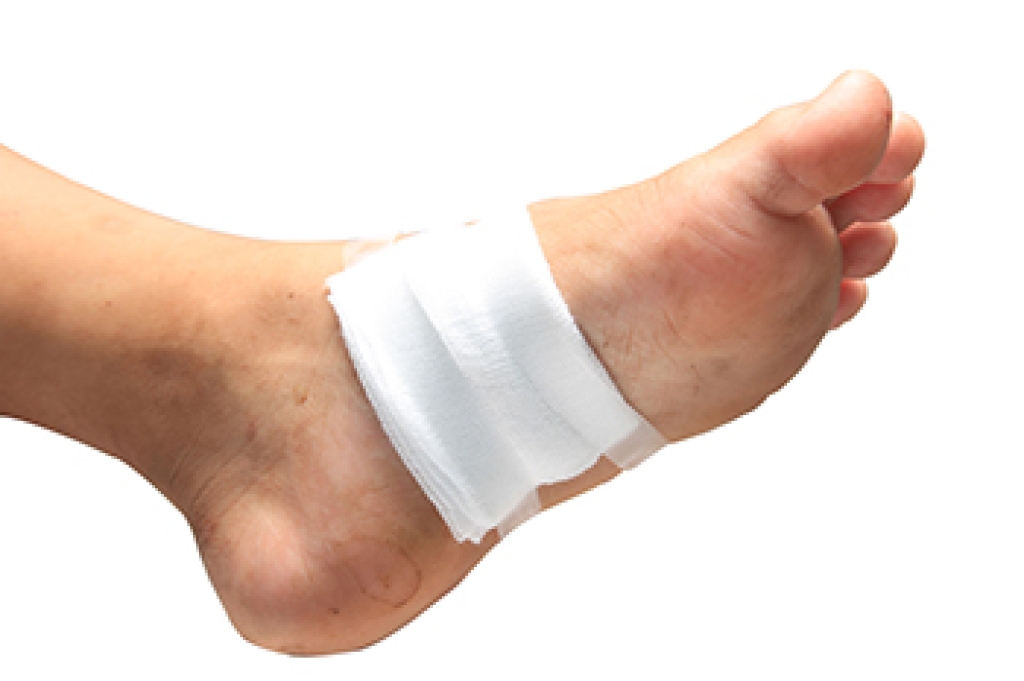

Read more about Wound Care

Preventing Falls in Older Adults Through Active Living

Falls in older adults are a major health concern that can lead to serious injury and reduced independence. Many factors contribute to falls, including muscle weakness, poor balance, and underlying medical conditions. Lack of regular exercise plays a significant role, as it leads to reduced strength and slower reflexes. Maintaining foot and ankle stability is essential for safe movement and long term mobility.

Symptoms that increase fall risk often develop gradually. These include unsteady walking, difficulty standing for long periods of time, and reduced coordination. Some individuals may experience foot pain, numbness, or stiffness that interferes with balance. Social isolation and loneliness are also important contributors. Older adults who are less socially active may engage in less physical movement, which weakens muscles and reduces confidence in mobility. This cycle can increase the likelihood of falls and related injuries.

Risk factors for falls include aging-related changes in muscle strength, wearing poor footwear, and untreated foot conditions. Lack of exercise reduces flexibility and balance, while improper shoes can limit stability and grip. Loneliness may lead to decreased activity levels and delayed medical care. Falls can result in a range of foot and ankle conditions, including sprains, fractures, and tendon injuries. These injuries may take longer to heal in older adults, increasing the risk of further complications.

Preventing falls involves staying active, wearing supportive footwear, and addressing foot pain early. Regular exercise can improve strength, coordination, and balance. Staying socially engaged can also encourage movement and reduce isolation. Routine foot evaluations can help identify problems before they lead to injury. If you sustained a foot or ankle injury from falling, it is suggested that you consult a podiatrist for effective relief and treatment solutions.

Preventing falls among the elderly is very important. If you are older and have fallen or fear that you are prone to falling, consult with Kristopher Jerry, DPM from Podiatry Health Services . Our doctor will assess your condition and provide you with quality advice and care.

Every 11 seconds, an elderly American is being treated in an emergency room for a fall related injury. Falls are the leading cause of head and hip injuries for those 65 and older. Due to decreases in strength, balance, senses, and lack of awareness, elderly persons are very susceptible to falling. Thankfully, there are a number of things older persons can do to prevent falls.

How to Prevent Falls

Some effective methods that older persons can do to prevent falls include:

  • Enrolling in strength and balance exercise program to increase balance and strength
  • Periodically having your sight and hearing checked
  • Discuss any medications you have with a doctor to see if it increases the risk of falling
  • Clearing the house of falling hazards and installing devices like grab bars and railings
  • Utilizing a walker or cane
  • Wearing shoes that provide good support and cushioning
  • Talking to family members about falling and increasing awareness

Falling can be a traumatic and embarrassing experience for elderly persons; this can make them less willing to leave the house, and less willing to talk to someone about their fears of falling. Doing such things, however, will increase the likelihood of tripping or losing one’s balance. Knowing the causes of falling and how to prevent them is the best way to mitigate the risk of serious injury.  

If you have any questions, please feel free to contact our offices located in Port St Lucie, and Hollywood, FL . We offer the newest diagnostic and treatment technologies for all your foot care needs.

Read more about Falls Prevention

Let the Expert Treat Your Ingrown Toenails

Ingrown toenails can be painful and can make wearing shoes or walking uncomfortable. Seek professional help if you believe you've developed an ingrown toenail and be treated safely. 

Walking Recovery After a Heel Bone Fracture

A calcaneal fracture is a break in the heel bone, often caused by a hard fall or other high-impact injuries. Because the heel supports much of the body’s weight, recovery can take time and walking may be difficult at first. In some cases, healing may include a special brace designed to reduce pressure on the heel while allowing earlier walking. This type of support shifts weight away from the injured area so the bone can continue healing with less strain. Early guided movement may help reduce stiffness, support circulation, and make the return to daily activities smoother for some patients. Not every heel fracture is treated the same way, since the exact break pattern and severity matter when planning care. If you have a heel fracture or ongoing heel pain after an injury, it is suggested that you visit a podiatrist for appropriate treatment solutions.

Many people suffer from bouts of heel pain. For more information, contact Kristopher Jerry, DPM of Podiatry Health Services . Our doctor can provide the care you need to keep you pain-free and on your feet.

Causes of Heel Pain

Heel pain is often associated with plantar fasciitis. The plantar fascia is a band of tissues that extends along the bottom of the foot. A rip or tear in this ligament can cause inflammation of the tissue.

Achilles tendonitis is another cause of heel pain. Inflammation of the Achilles tendon will cause pain from fractures and muscle tearing. Lack of flexibility is also another symptom.

Heel spurs are another cause of pain. When the tissues of the plantar fascia undergo a great deal of stress, it can lead to ligament separation from the heel bone, causing heel spurs.

Why Might Heel Pain Occur?

  • Wearing ill-fitting shoes                
  • Wearing non-supportive shoes
  • Weight change           
  • Excessive running

Treatments

Heel pain should be treated as soon as possible for immediate results. Keeping your feet in a stress-free environment will help. If you suffer from Achilles tendonitis or plantar fasciitis, applying ice will reduce the swelling. Stretching before an exercise like running will help the muscles. Using all these tips will help make heel pain a condition of the past.

If you have any questions, please feel free to contact our offices located in Port St Lucie, and Hollywood, FL . We offer the newest diagnostic and treatment technologies for all your foot care needs.

Read more about Heel Pain

What Causes Foot Blisters and How a Podiatrist Can Help

Blisters are fluid-filled pockets that develop beneath the outer layer of skin after it becomes damaged or irritated. They frequently form on the feet because of repeated rubbing, pressure, or exposure to heat. The fluid inside a blister cushions the injured area and helps protect the skin while it heals. Blisters can make standing, wearing shoes, and walking painful. The skin around the blister can become tender, red, and swollen. Larger blisters sometimes make it difficult to move comfortably, especially when they develop on the heel, toes, or ball of the foot. Because other skin conditions can resemble blisters, a podiatrist can determine the exact cause and recommend the most appropriate treatment.

Repeated friction is one of the leading causes of foot blisters. Wearing shoes that do not fit properly or shoes that lack proper support can increase rubbing against the skin. Long periods of walking, running, or participating in sports also place extra stress on the feet. Burns, allergic reactions, and certain skin conditions can lead to blister formation as well. In some cases, blisters develop because of a medical condition that affects the skin. A podiatrist performs a careful examination to identify the reason for the blister and to determine whether an infection or another problem is present. This evaluation helps guide treatment and protects the surrounding skin from further damage.

Treatment depends on the size, location, and cause of the blister. A podiatrist can safely drain a painful blister when appropriate while protecting the healthy skin covering the area. Prescription medication is sometimes recommended when infection or inflammation is present. Patients with repeated blisters can benefit from custom orthotics that improve foot function and reduce pressure on sensitive areas. A podiatrist can also identify problems with foot structure that increase friction and recommend treatments that lower the chance of future blisters. If you have symptoms of blisters, it is suggested that you make an appointment with a podiatrist for diagnosis and treatment.

Blisters may appear as a single bubble or in a cluster. They can cause a lot of pain and may be filled with pus, blood, or watery serum. If your feet are hurting, contact Kristopher Jerry, DPM of Podiatry Health Services . Our doctor can provide the care you need to keep you pain-free and on your feet.

Foot Blisters

Foot blisters are often the result of friction. This happens due to the constant rubbing from shoes, which can lead to pain.

What Are Foot Blisters?

A foot blister is a small fluid-filled pocket that forms on the upper-most layer of the skin. Blisters are filled with clear fluid and can lead to blood drainage or pus if the area becomes infected.

Symptoms

(Blister symptoms may vary depending on what is causing them)

  • Bubble of skin filled with fluid
  • Redness
  • Moderate to severe pain
  • Itching

Prevention & Treatment

In order to prevent blisters, you should be sure to wear comfortable shoes with socks that cushion your feet and absorb sweat. Breaking a blister open may increase your chances of developing an infection. However, if your blister breaks, you should wash the area with soap and water immediately and then apply a bandage to the affected area. If your blisters cause severe pain it is important that you call your podiatrist right away.

If you have any questions, please feel free to contact our offices located in Port St Lucie, and Hollywood, FL . We offer the newest diagnostic and treatment technologies for all your foot care needs.

Read more about Blisters
Advanced Podiatric Procedures & Services in the areas