
Custom orthotics, or shoe inserts, should be periodically replaced. Orthotics must fit properly to give you the best results. Protect your feet and ankles!
Custom orthotics, or shoe inserts, should be periodically replaced. Orthotics must fit properly to give you the best results. Protect your feet and ankles!

The Achilles tendon is the strong band of tissue that connects the calf muscles to the heel bone, and helps the foot push off during walking and running. Injuries to this tendon may develop from overuse, sudden strain, tight calf muscles, or long-term degeneration. Many people notice pain, swelling, stiffness, or tenderness near the back of the heel, especially during activity or after rest. In some cases, the tendon may partially tear or weaken, over time. Imaging studies can help a podiatrist identify the exact problem and determine how severe the injury has become. Ultrasound and magnetic resonance imaging, also called MRI scans, allow detailed views of the tendon and surrounding tissue. These tests help guide treatment, which may include bracing, orthotics, targeted exercises, anti-inflammatory care, or surgery, for more advanced injuries. Early diagnosis can improve healing and help prevent rupture. If Achilles tendon pain continues to worsen or limit movement, it is suggested that you visit a podiatrist for an evaluation and appropriate treatment.
Achilles tendon injuries need immediate attention to avoid future complications. If you have any concerns, contact Kristopher Jerry, DPM of Podiatry Health Services . Our doctor can provide the care you need to keep you pain-free and on your feet.
What Is the Achilles Tendon?
The Achilles tendon is a tendon that connects the lower leg muscles and calf to the heel of the foot. It is the strongest tendon in the human body and is essential for making movement possible. Because this tendon is such an integral part of the body, any injuries to it can create immense difficulties and should immediately be presented to a doctor.
What Are the Symptoms of an Achilles Tendon Injury?
There are various types of injuries that can affect the Achilles tendon. The two most common injuries are Achilles tendinitis and ruptures of the tendon.
Achilles Tendinitis Symptoms
Rupture Symptoms
Treatment and Prevention
Achilles tendon injuries are diagnosed by a thorough physical evaluation, which can include an MRI. Treatment involves rest, physical therapy, and in some cases, surgery. However, various preventative measures can be taken to avoid these injuries, such as:
If you have any questions please feel free to contact our offices located in Port St Lucie, and Hollywood, FL . We offer the newest diagnostic tools and technology to treat your foot and ankle needs.

Osteoarthritis is a degenerative joint condition that occurs when cartilage wears down, leading to pain and stiffness. In the feet, it can affect joints such as the toes and midfoot, making walking and daily activities uncomfortable. Common causes include natural aging, previous joint injury, repeated overuse, and excess body weight that places added pressure on the joints. Risk factors include age, obesity, and a history of trauma. Symptoms include aching pain, swelling, reduced flexibility, and a grinding sensation with movement. A podiatrist can evaluate joint health, recommend supportive footwear, and help manage discomfort. If your feet are affected by arthritis, it is suggested that you consult a podiatrist who can offer effective relief solutions and management tips.
Arthritis can be a difficult condition to live with. If you are seeking treatment, contact Kristopher Jerry, DPM from Podiatry Health Services . Our doctor can provide the care you need to keep you pain-free and on your feet.
Arthritic Foot Care
Arthritis is a term that is commonly used to describe joint pain. The condition itself can occur to anyone of any age, race, or gender, and there are over 100 types of it. Nevertheless, arthritis is more commonly found in women compared to men, and it is also more prevalent in those who are overweight. The causes of arthritis vary depending on which type of arthritis you have. Osteoarthritis for example, is often caused by injury, while rheumatoid arthritis is caused by a misdirected immune system.
Symptoms
Arthritic symptoms range in severity, and they may come and go. Some symptoms stay the same for several years but could potentially get worse with time. Severe cases of arthritis can prevent its sufferers from performing daily activities and make walking difficult.
Risk Factors
If you suspect your arthritis is affecting your feet, it is crucial that you see a podiatrist immediately. Your doctor will be able to address your specific case and help you decide which treatment method is best for you.
If you have any questions please feel free to contact our offices located in Port St Lucie, and Hollywood, FL . We offer the newest diagnostic tools and technology to treat your foot and ankle needs.
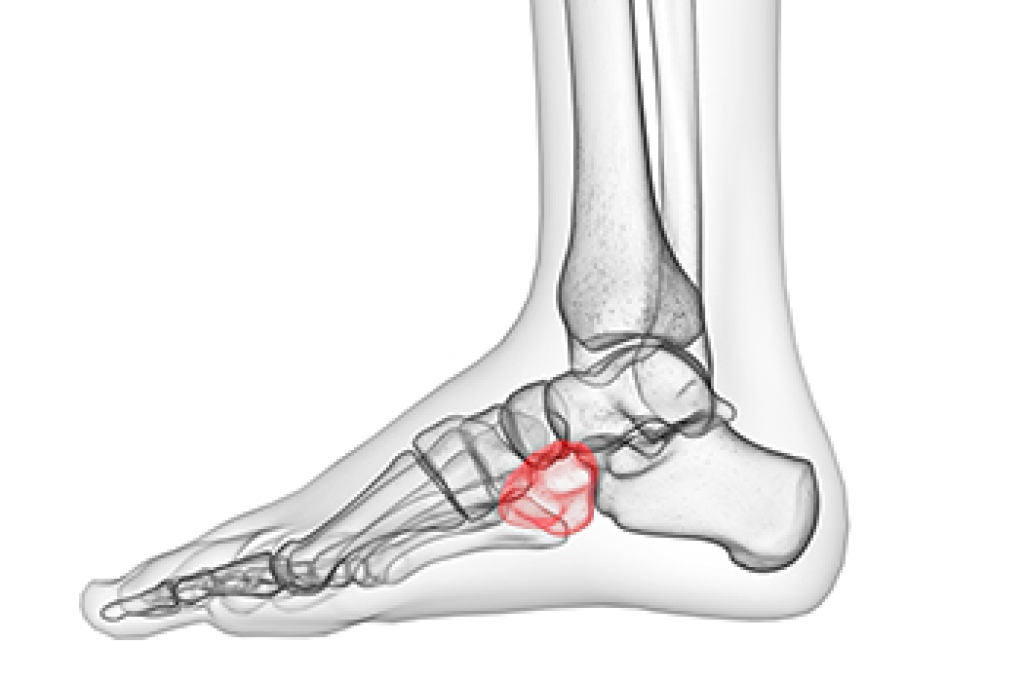
Cuboid syndrome occurs when there is an injury to the joint and surrounding ligaments of the cuboid bone on the outer side of the foot. It is often seen in athletes, gymnasts, and dancers, due to repetitive stress and movement. Symptoms include pain along the outside of the foot that worsens with weight bearing, difficulty walking, and a decreased range of motion. Some people may also notice weakness or instability in the foot. Risk factors include overuse, improper footwear, and previous ankle injuries. A podiatrist can assess the foot, restore proper alignment, and recommend supportive treatment. If you have pain on the outside of your foot, it is suggested that you consult a podiatrist who can accurately diagnose and treat what may be going on.
Cuboid syndrome, also known as cuboid subluxation, occurs when the joints and ligaments near the cuboid bone in the foot become torn. If you have cuboid syndrome, consult with Kristopher Jerry, DPM from Podiatry Health Services . Our doctor will assess your condition and provide you with quality foot and ankle treatment.
Cuboid syndrome is a common cause of lateral foot pain, which is pain on the outside of the foot. The condition may happen suddenly due to an ankle sprain, or it may develop slowly overtime from repetitive tension through the bone and surrounding structures.
Causes
The most common causes of cuboid syndrome include:
Symptoms
A common symptom of cuboid syndrome is pain along the outside of the foot which can be felt in the ankle and toes. This pain may create walking difficulties and may cause those with the condition to walk with a limp.
Diagnosis
Diagnosis of cuboid syndrome is often difficult, and it is often misdiagnosed. X-rays, MRIs and CT scans often fail to properly show the cuboid subluxation. Although there isn’t a specific test used to diagnose cuboid syndrome, your podiatrist will usually check if pain is felt while pressing firmly on the cuboid bone of your foot.
Treatment
Just as the range of causes varies widely, so do treatments. Some more common treatments are ice therapy, rest, exercise, taping, and orthotics.
If you have any questions, please feel free to contact our offices located in Port St Lucie, and Hollywood, FL . We offer the newest diagnostic and treatment technologies for all your foot care needs.

During pregnancy the feet often undergo significant changes due to shifts in changes in body movement and body structure. Increased weight gain places additional pressure on the arches, while unevenly distributed body mass and an altered sense of gravity can change posture and walking patterns. These factors may lead to flatter feet, swelling, and increased foot discomfort. Risk factors include pre-existing foot conditions, prolonged standing, and inadequate footwear support. Hormonal changes can also loosen ligaments, further affecting stability. A podiatrist can assess changes in movement or posture, recommend supportive footwear or orthotics, and provide strategies to relieve pain and improve function. If you have developed foot pain during your pregnancy, it is suggested that you consult a podiatrist who can offer effective relief tips.
Pregnant women with swollen feet can be treated with a variety of different methods that are readily available. For more information about other cures for swollen feet during pregnancy, consult with Kristopher Jerry, DPM from Podiatry Health Services . Our doctor will attend to all of your foot and ankle needs.
What Foot Problems Can Arise During Pregnancy?
One problem that can occur is overpronation, which occurs when the arch of the foot flattens and tends to roll inward. This can cause pain and discomfort in your heels while you’re walking or even just standing up, trying to support your baby.
Another problem is edema, or swelling in the extremities. This often affects the feet during pregnancy but tends to occur in the later stages.
How Can I Keep My Feet Healthy During Pregnancy?
If you have any questions, please feel free to contact our offices located in Port St Lucie, and Hollywood, FL . We offer the newest diagnostic and treatment technologies for all your foot care needs.
