
Do you work on your feet all day and find your feet in pain? Don't go to work in pain each day. Your foot pain can be treated, and we can help.
Do you work on your feet all day and find your feet in pain? Don't go to work in pain each day. Your foot pain can be treated, and we can help.
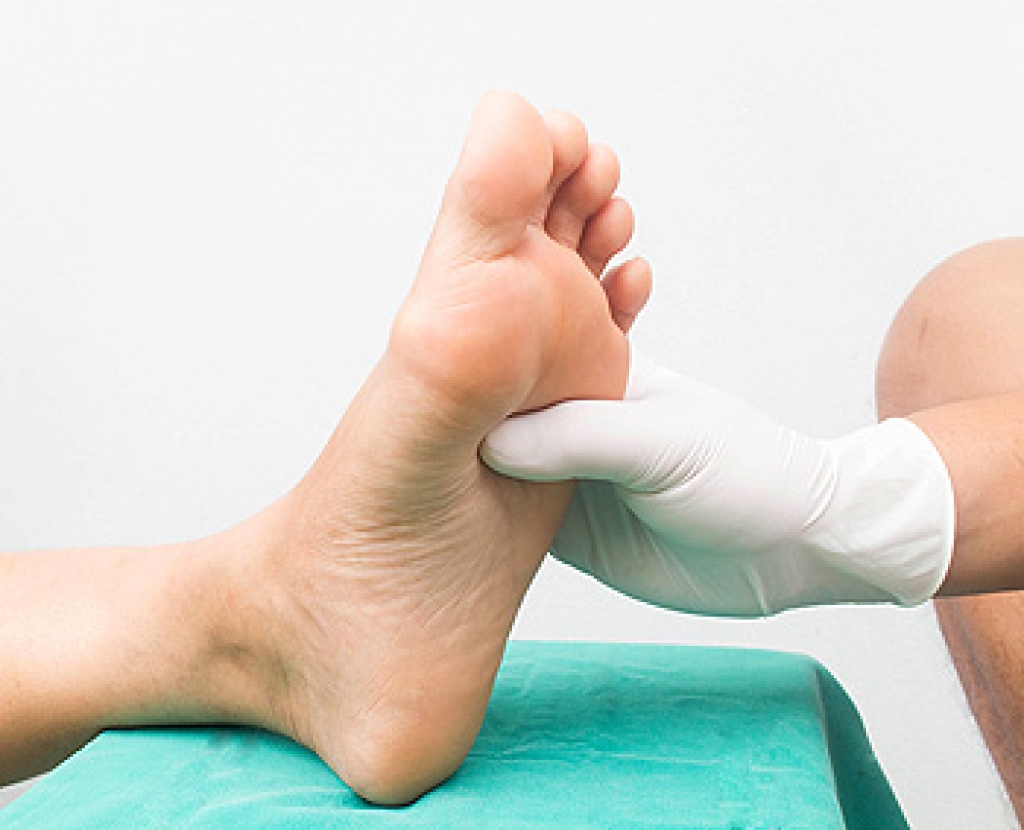
Peripheral neuropathy develops when nerves outside the brain and spinal cord become damaged. In the feet, this problem can cause numbness, burning pain, tingling, or weakness. Some people feel like they are wearing socks when barefoot. Others lose feeling in the toes or soles of the feet. Diabetes is one of the most common causes of peripheral neuropathy. Other causes include vitamin deficiencies, certain medications, and cancer treatments. Poor nerve function can affect balance and make walking more difficult. It can also increase the risk of cuts, sores, and infections because people may not feel injuries right away. A podiatrist can examine the feet, test nerve function, and look for skin or circulation problems linked to neuropathy. Treatment includes custom orthotics, wearing protective footwear, and care for wounds or pressure areas. If you have symptoms of peripheral neuropathy in the feet, it is suggested that you schedule an appointment with a podiatrist.
Neuropathy
Neuropathy can be a potentially serious condition, especially if it is left undiagnosed. If you have any concerns that you may be experiencing nerve loss in your feet, consult with Kristopher Jerry, DPM from Podiatry Health Services . Our doctor will assess your condition and provide you with quality foot and ankle treatment for neuropathy.
What Is Neuropathy?
Neuropathy is a condition that leads to damage to the nerves in the body. Peripheral neuropathy, or neuropathy that affects your peripheral nervous system, usually occurs in the feet. Neuropathy can be triggered by a number of different causes. Such causes include diabetes, infections, cancers, disorders, and toxic substances.
Symptoms of Neuropathy Include:
Those with diabetes are at serious risk due to being unable to feel an ulcer on their feet. Diabetics usually also suffer from poor blood circulation. This can lead to the wound not healing, infections occurring, and the limb may have to be amputated.
Treatment
To treat neuropathy in the foot, podiatrists will first diagnose the cause of the neuropathy. Figuring out the underlying cause of the neuropathy will allow the podiatrist to prescribe the best treatment, whether it be caused by diabetes, toxic substance exposure, infection, etc. If the nerve has not died, then it’s possible that sensation may be able to return to the foot.
Pain medication may be issued for pain. Electrical nerve stimulation can be used to stimulate nerves. If the neuropathy is caused from pressure on the nerves, then surgery may be necessary.
If you have any questions, please feel free to contact our offices located in Port St Lucie, and Hollywood, FL . We offer the newest diagnostic and treatment technologies for all your foot care needs.

Ankle sprains are one of the most common injuries in soccer due to quick changes in direction, sudden stops, and contact with other players. This condition occurs when the ligaments that support the ankle are stretched or torn, often from the foot rolling inward or outward. Symptoms usually include swelling, pain, bruising, and difficulty putting weight on the foot. Some players may feel instability or weakness after the injury, especially if it is not fully healed. Ankle sprains can happen during a single misstep or develop from repeated stress over time. Without proper care, the joint may become more prone to future injuries. A podiatrist can evaluate ligament damage, assess joint stability, and create a plan to restore strength and function. If you have foot or ankle pain from playing soccer, it is suggested that you consult a podiatrist who can offer effective relief and treatment solutions.
Sports related foot and ankle injuries require proper treatment before players can go back to their regular routines. For more information, contact Kristopher Jerry, DPM of Podiatry Health Services . Our doctor can provide the care you need to keep you pain-free and on your feet.
Sports Related Foot and Ankle Injuries
Foot and ankle injuries are a common occurrence when it comes to athletes of any sport. While many athletes dismiss the initial aches and pains, the truth is that ignoring potential foot and ankle injuries can lead to serious problems. As athletes continue to place pressure and strain the area further, a mild injury can turn into something as serious as a rupture and may lead to a permanent disability. There are many factors that contribute to sports related foot and ankle injuries, which include failure to warm up properly, not providing support or wearing bad footwear. Common injuries and conditions athletes face, including:
Sports related injuries are commonly treated using the RICE method. This includes rest, applying ice to the injured area, compression and elevating the ankle. More serious sprains and injuries may require surgery, which could include arthroscopic and reconstructive surgery. Rehabilitation and therapy may also be required in order to get any recovering athlete to become fully functional again. Any unusual aches and pains an athlete sustains must be evaluated by a licensed, reputable medical professional.
If you have any questions please contact our offices located in Port St Lucie, and Hollywood, FL . We offer the newest diagnostic and treatment technologies for all your foot and ankle needs.

Plantar fasciitis is a common cause of heel pain that develops when the thick band of tissue along the bottom of the foot becomes irritated. Many people notice sharp discomfort with their first steps in the morning or after sitting for a while, with some improvement as they begin moving. It can develop from repetitive strain, foot structure, prolonged standing, or changes in activity level. The timeline for recovery varies. Some people improve within several weeks, while others may deal with symptoms for months, if the problem is not properly addressed. A podiatrist can evaluate the cause of the pain and recommend treatment such as stretching programs, supportive inserts, footwear guidance, or activity changes. Early treatment may help shorten recovery and prevent ongoing discomfort. If you have persistent heel pain or pain with your first steps each morning, it is strongly suggested that you visit a podiatrist for appropriate treatment solutions.
Plantar fasciitis is a common foot condition that is often caused by a strain injury. If you are experiencing heel pain or symptoms of plantar fasciitis, contact Kristopher Jerry, DPM from Podiatry Health Services . Our doctor can provide the care you need to keep you pain-free and on your feet.
What Is Plantar Fasciitis?
Plantar fasciitis is one of the most common causes of heel pain. The plantar fascia is a ligament that connects your heel to the front of your foot. When this ligament becomes inflamed, plantar fasciitis is the result. If you have plantar fasciitis you will have a stabbing pain that usually occurs with your first steps in the morning. As the day progresses and you walk around more, this pain will start to disappear, but it will return after long periods of standing or sitting.
What Causes Plantar Fasciitis?
There are some risk factors that may make you more likely to develop plantar fasciitis compared to others. The condition most commonly affects adults between the ages of 40 and 60. It also tends to affect people who are obese because the extra pounds result in extra stress being placed on the plantar fascia.
Prevention
There are a variety of treatment options available for plantar fasciitis along with the pain that accompanies it. Additionally, physical therapy is a very important component in the treatment process. It is important that you meet with your podiatrist to determine which treatment option is best for you.
If you have any questions, please feel free to contact our offices located in Port St Lucie, and Hollywood, FL . We offer the newest diagnostic and treatment technologies for all your foot care needs.

The arches of the foot play an important role in how people stand, walk, and move. Each foot has three arches that include a high inner arch, a lower outer arch, and a cross-arch near the ball of the foot. These structures are supported by strong tissues that help hold the foot together. The arches work like springs, helping to absorb shock and spread body weight with each step. They also help the foot stay flexible, which allows smooth movement while walking and running. When the arches do not function properly, too much stress can be placed on certain areas of the foot. This can lead to pain, poor balance, or changes in walking patterns. A podiatrist can examine foot structure, assess how the arches function, and order imaging tests to confirm a diagnosis. Treatment options include custom orthotics, bracing, or other methods to improve support and alignment. If you have arch pain, it is suggested that you schedule an appointment with a podiatrist for a diagnosis and appropriate treatment.
If you have any concerns about your feet, contact Kristopher Jerry, DPM from Podiatry Health Services . Our doctor can provide the care you need to keep you pain-free and on your feet.
Biomechanics in Podiatry
Podiatric biomechanics is a particular sector of specialty podiatry with licensed practitioners who are trained to diagnose and treat conditions affecting the foot, ankle and lower leg. Biomechanics deals with the forces that act against the body, causing an interference with the biological structures. It focuses on the movement of the ankle, the foot and the forces that interact with them.
A History of Biomechanics
Modern technological improvements are based on past theories and therapeutic processes that provide a better understanding of podiatric concepts for biomechanics. Computers can provide accurate information about the forces and patterns of the feet and lower legs.
Understanding biomechanics of the feet can help improve and eliminate pain, stopping further stress to the foot.
If you have any questions please feel free to contact our offices located in Port St Lucie, and Hollywood, FL . We offer the newest diagnostic and treatment technologies for all your foot and ankle needs.
