Foot or ankle pain can negatively affect your day-to-day life and can occur due to several different conditions. Pain can also be an indicator of a more serious underlying condition, which is why you should seek professional help as soon as you notice any abnormalities in your feet.
A broken toe can result from stubbing the foot, dropping a heavy object on it, or taking a forceful step during sports. A big-toe fracture can be especially serious. The big toe helps the body balance and push forward while walking. Symptoms include pain, swelling, and bruising. The toe may also look crooked or feel too tender to touch. Some fractures extend into a joint or cause bone pieces to move out of position. A cut near the injury can signal an open fracture. This means the broken bone is exposed through a wound. Examination is important because a sprain, bone bruise, and fracture can cause similar symptoms.
A podiatrist can assess the injured toe. X-rays can confirm a fracture and show its location, pattern, and severity. Other imaging tests can provide more detail when nearby tissue damage is suspected. Treatment depends on which toe is broken and whether the bone remains aligned. A podiatrist can reposition a displaced bone so it heals correctly. This foot doctor can also protect the toe with taping, a splint, or a stiff-soled medical shoe. These measures limit painful movement and reduce pressure on the injured toe. Follow-up X-rays can track healing before the patient returns to demanding activities. Many broken toes heal within several weeks, although recovery varies with the injury.
Severe fractures sometimes need surgery. This can be necessary when a break enters a joint, bone pieces are widely separated, or the toe remains unstable. Pins, screws, or plates can hold the bone in place while it heals. Early treatment can lower the risk of lasting stiffness, deformity, and pain. Urgent evaluation is important when the toe looks misshapen, the skin is broken, or numbness develops. People with diabetes or poor circulation should seek immediate care because healing problems can be more serious. If you have broken your toe, it is suggested that you schedule an appointment with a podiatrist for effective relief and treatment.
A broken toe can be very painful and lead to complications if not properly fixed. If you have any concerns about your feet, contact Kristopher Jerry, DPM from Podiatry Health Services . Our doctor will treat your foot and ankle needs.
What to Know About a Broken Toe
Although most people try to avoid foot trauma such as banging, stubbing, or dropping heavy objects on their feet, the unfortunate fact is that it is a common occurrence. Given the fact that toes are positioned in front of the feet, they typically sustain the brunt of such trauma. When trauma occurs to a toe, the result can be a painful break (fracture).
Symptoms of a Broken Toe
Throbbing pain
Swelling
Bruising on the skin and toenail
The inability to move the toe
Toe appears crooked or disfigured
Tingling or numbness in the toe
Generally, it is best to stay off of the injured toe with the affected foot elevated.
Severe toe fractures may be treated with a splint, cast, and in some cases, minor surgery. Due to its position and the pressure it endures with daily activity, future complications can occur if the big toe is not properly treated.
If you have any questions, please feel free to contact our offices located in Port St Lucie, and Hollywood, FL. We offer the newest diagnostic and treatment technologies for all your foot care needs.
Peripheral neuropathy occurs when nerves outside the brain and spinal cord become damaged. In the feet, it can change how a person feels touch, pain, and temperature. Symptoms include numbness, tingling, and burning pain. Some patients also notice unusual sensitivity or a feeling that they are walking on a pebble or bunched-up sock. Weak foot muscles can affect balance and increase the risk of falling. Because numbness can hide a cut or blister, a small injury may worsen before the patient notices it.
Diabetes is a leading cause of peripheral neuropathy, especially when blood sugar is not well controlled. Other causes include vitamin deficiencies, nerve pressure, and certain illnesses. Injury and heavy alcohol use can also damage nerves. A podiatrist can review the patient's health history and perform a careful foot examination. Testing can check sensation, muscle strength, and reflexes. The podiatrist can also examine circulation and check for skin damage. Further testing may be needed to identify why the nerves are not working properly. This helps guide care and protect the feet from injury.
Podiatric care focuses on protecting the feet, improving stability, and preventing serious problems. A podiatrist can treat corns, calluses, or wounds that place the skin at risk. Regular nail and skin care can reduce the chance of injury, especially when patients cannot feel their feet clearly. Custom orthotics can improve pressure distribution and make the feet more stable while walking. The podiatrist can also recommend properly-fitted shoes with enough depth and cushioning. When a wound is present, care includes pressure relief, infection control, and close monitoring. Severe infections can threaten the health of the foot, and, in advanced cases, may lead to limb loss. Routine examinations allow the podiatrist to track changes in sensation and spot problems before they become more serious. If you have symptoms of peripheral neuropathy, it is suggested that you schedule an appointment with a podiatrist for effective relief and management tips.
Neuropathy
Neuropathy can be a potentially serious condition, especially if it is left undiagnosed. If you have any concerns that you may be experiencing nerve loss in your feet, consult with Kristopher Jerry, DPM from Podiatry Health Services . Our doctor will assess your condition and provide you with quality foot and ankle treatment for neuropathy.
What Is Neuropathy?
Neuropathy is a condition that leads to damage to the nerves in the body. Peripheral neuropathy, or neuropathy that affects your peripheral nervous system, usually occurs in the feet. Neuropathy can be triggered by a number of different causes. Such causes include diabetes, infections, cancers, disorders, and toxic substances.
Symptoms of Neuropathy Include:
Numbness
Sensation loss
Prickling and tingling sensations
Throbbing, freezing, burning pains
Muscle weakness
Those with diabetes are at serious risk due to being unable to feel an ulcer on their feet. Diabetics usually also suffer from poor blood circulation. This can lead to the wound not healing, infections occurring, and the limb may have to be amputated.
Treatment
To treat neuropathy in the foot, podiatrists will first diagnose the cause of the neuropathy. Figuring out the underlying cause of the neuropathy will allow the podiatrist to prescribe the best treatment, whether it be caused by diabetes, toxic substance exposure, infection, etc. If the nerve has not died, then it’s possible that sensation may be able to return to the foot.
Pain medication may be issued for pain. Electrical nerve stimulation can be used to stimulate nerves. If the neuropathy is caused from pressure on the nerves, then surgery may be necessary.
If you have any questions, please feel free to contact our offices located in Port St Lucie, and Hollywood, FL. We offer the newest diagnostic and treatment technologies for all your foot care needs.
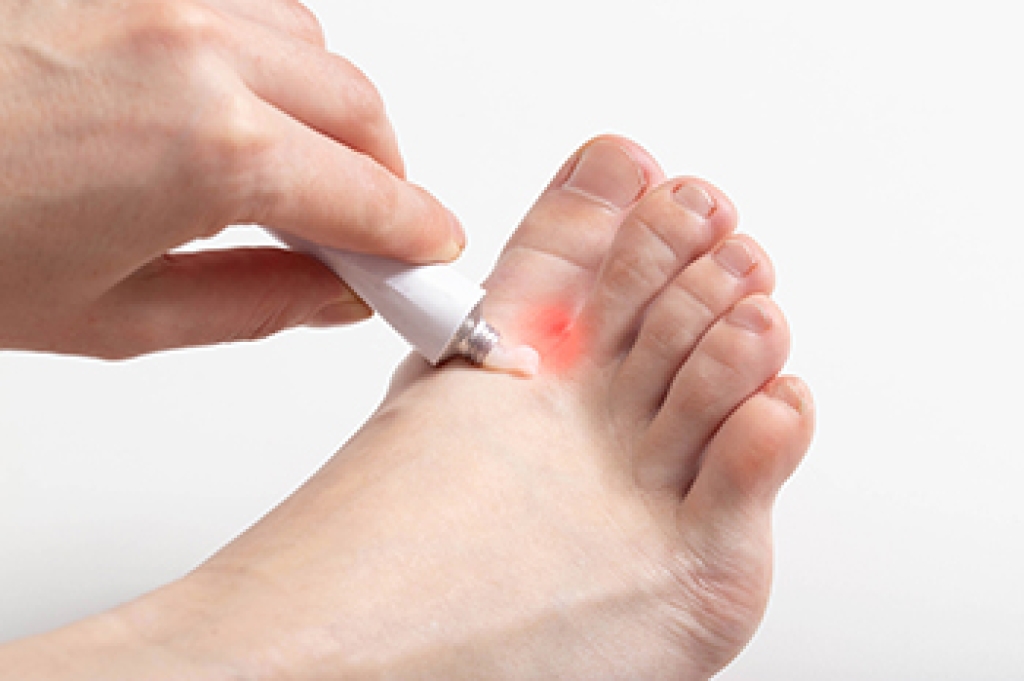
Athlete’s foot is a fungal skin infection that begins between the toes. The fungus grows in warm, damp places and can spread through contact with contaminated surfaces. Locker-room floors, showers, and pool areas are sources of exposure. Shoes that trap heat and moisture can create conditions that allow fungus to grow. Symptoms include itching, burning, and peeling skin. The affected area may also become red, cracked, or sore. Some infections spread across the sole or along the sides of the foot. Small, fluid-filled blisters can appear in certain cases.
Although an athlete’s foot infection can seem minor, it should not be ignored. Cracks in the skin can allow bacteria to enter and cause a serious infection. This risk is greater for patients with diabetes, poor circulation, or a weakened immune system. Athlete’s foot can also spread to the toenails, hands, or other areas of the body. Because eczema and other skin problems can cause similar symptoms, an accurate diagnosis is important. A podiatrist can examine the skin and determine whether a fungal infection is present. In some cases, a small skin sample is tested to confirm the cause.
A podiatrist can recommend treatment based on the location and severity of the infection. The podiatrist can also check for nail involvement, bacterial infection, or skin damage that requires closer attention. Guidance can be provided on keeping the feet dry and reducing the chance of another infection. This includes choosing breathable shoes, changing damp socks, and protecting the feet in shared bathing areas. Shoes should fit properly and allow enough room around the toes. Patients should seek prompt care when symptoms keep returning or begin to spread. Swelling, drainage, or increasing pain also requires professional evaluation. Early diagnosis can shorten the infection and help protect the surrounding skin and nails. If you have symptoms of an athlete’s foot infection, it is important that you schedule an appointment with a podiatrist effective relief and treatment solutions.
Athlete’s foot is an inconvenient condition that can be easily reduced with the proper treatment. If you have any concerns about your feet and ankles, contact Kristopher Jerry, DPM from Podiatry Health Services . Our doctor will treat your foot and ankle needs.
Athlete’s Foot: The Sole Story
Athlete's foot, also known as tinea pedis, can be an extremely contagious foot infection. It is commonly contracted in public changing areas and bathrooms, dormitory style living quarters, around locker rooms and public swimming pools, or anywhere your feet often come into contact with other people.
Solutions to Combat Athlete’s Foot
Hydrate your feet by using lotion
Exfoliate
Buff off nails
Use of anti-fungal products
Examine your feet and visit your doctor if any suspicious blisters or cuts develop
Athlete’s foot can cause many irritating symptoms such as dry and flaking skin, itching, and redness. Some more severe symptoms can include bleeding and cracked skin, intense itching and burning, and even pain when walking. In the worst cases, Athlete’s foot can cause blistering as well. Speak to your podiatrist for a better understanding of the different causes of Athlete’s foot, as well as help in determining which treatment options are best for you.
If you have any questions please feel free to contact our offices located in Port St Lucie, and Hollywood, FL. We offer the newest diagnostic and treatment technologies for all your foot and ankle needs.
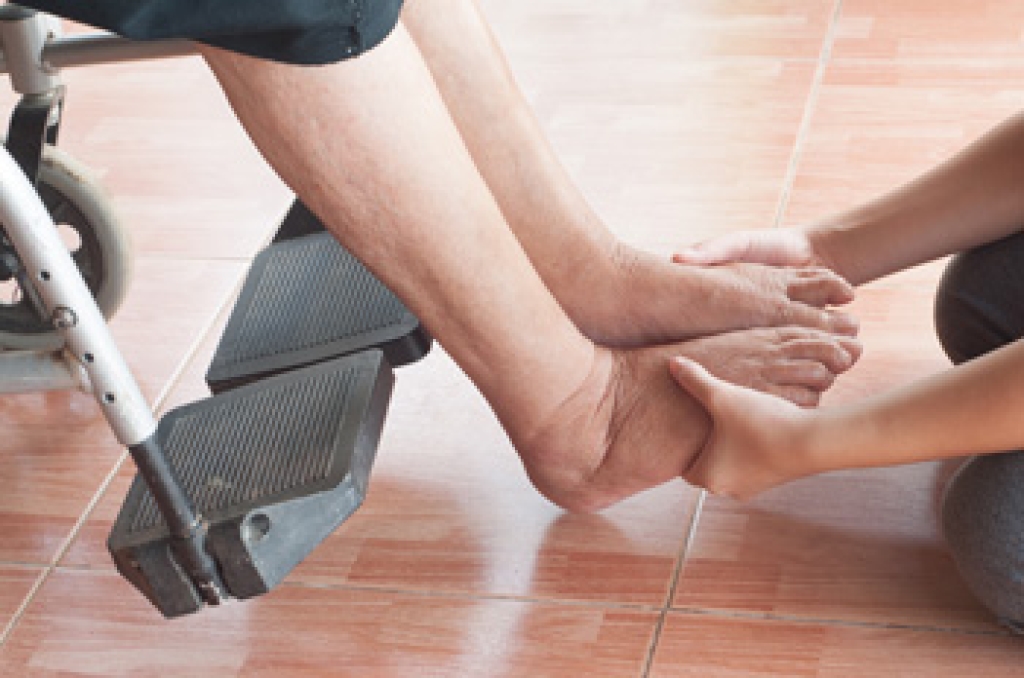
Aging feet can develop changes that affect comfort, balance, and the ability to stay active. The skin can become drier and harder, while the natural padding beneath the feet can change. Joints can become stiffer, and muscles that support the feet can lose strength. These changes can affect how an older person stands and walks. Foot problems in older adults include pain, changes in sensation, and foot deformities. Bunions and changes in the arches can also develop. Because foot problems can affect balance and mobility, proper elderly foot care is an important part of maintaining independence and physical activity.
Several health problems can make foot care especially important for older patients. Diabetes can affect sensation and healing, while circulation problems can reduce the blood supply reaching the feet. Arthritis can contribute to pain and stiffness. Age-related changes can also make the skin more vulnerable to calluses, cracks, and other damage. A podiatrist can examine the feet for changes that could affect comfort or mobility. An examination can include checking the skin, circulation, and sensation. The podiatrist can also evaluate joint movement and foot structure. Regular professional evaluations can help identify problems before they interfere greatly with walking or daily activities.
Podiatric care for aging feet focuses on maintaining comfort, function, and healthy movement. A podiatrist can provide professional nail and skin care when age or health problems make these tasks difficult. Treatment can also address corns, calluses, and painful foot deformities. A podiatrist can assess shoes and recommend properly fitted options that provide appropriate support. Custom orthotics can redistribute pressure and support areas of the feet that need additional help. Care can also address changes in balance or movement that increase the risk of falls. Treatment is based on each patient's health, symptoms, and foot-care needs. If you have symptoms of aging feet, it is suggested that you make an appointment with a podiatrist for diagnosis and treatment.
Proper foot care is something many older adults forget to consider. If you have any concerns about your feet and ankles, contact Kristopher Jerry, DPM from Podiatry Health Services . Our doctor can provide the care you need to keep you pain-free and on your feet.
The Elderly and Their Feet
As we age we start to notice many changes in our body, but the elder population may not notice them right away. Medical conditions may prevent the elderly to take notice of their foot health right away. Poor vision is a lead contributor to not taking action for the elderly.
Common Conditions
Neuropathy – can reduce feeling in the feet and can hide many life-threatening medical conditions.
Reduced flexibility – prevents the ability of proper toenail trimming, and foot cleaning. If left untreated, it may lead to further medical issues.
Foot sores – amongst the older population can be serious before they are discovered. Some of the problematic conditions they may face are:
Gouging toenails affecting nearby toe
Shoes that don’t fit properly
Pressure sores
Loss of circulation in legs & feet
Edema & swelling of feet and ankles
Susceptible Infections
Diabetes and poor circulation can cause general loss of sensitivity over the years, turning a simple cut into a serious issue.
If you have any questions, please feel free to contact our offices located in Port St Lucie, and Hollywood, FL. We offer the newest diagnostic and treatment technologies for all your foot care needs.